R500.00
How Do You Set Up Google Analytics
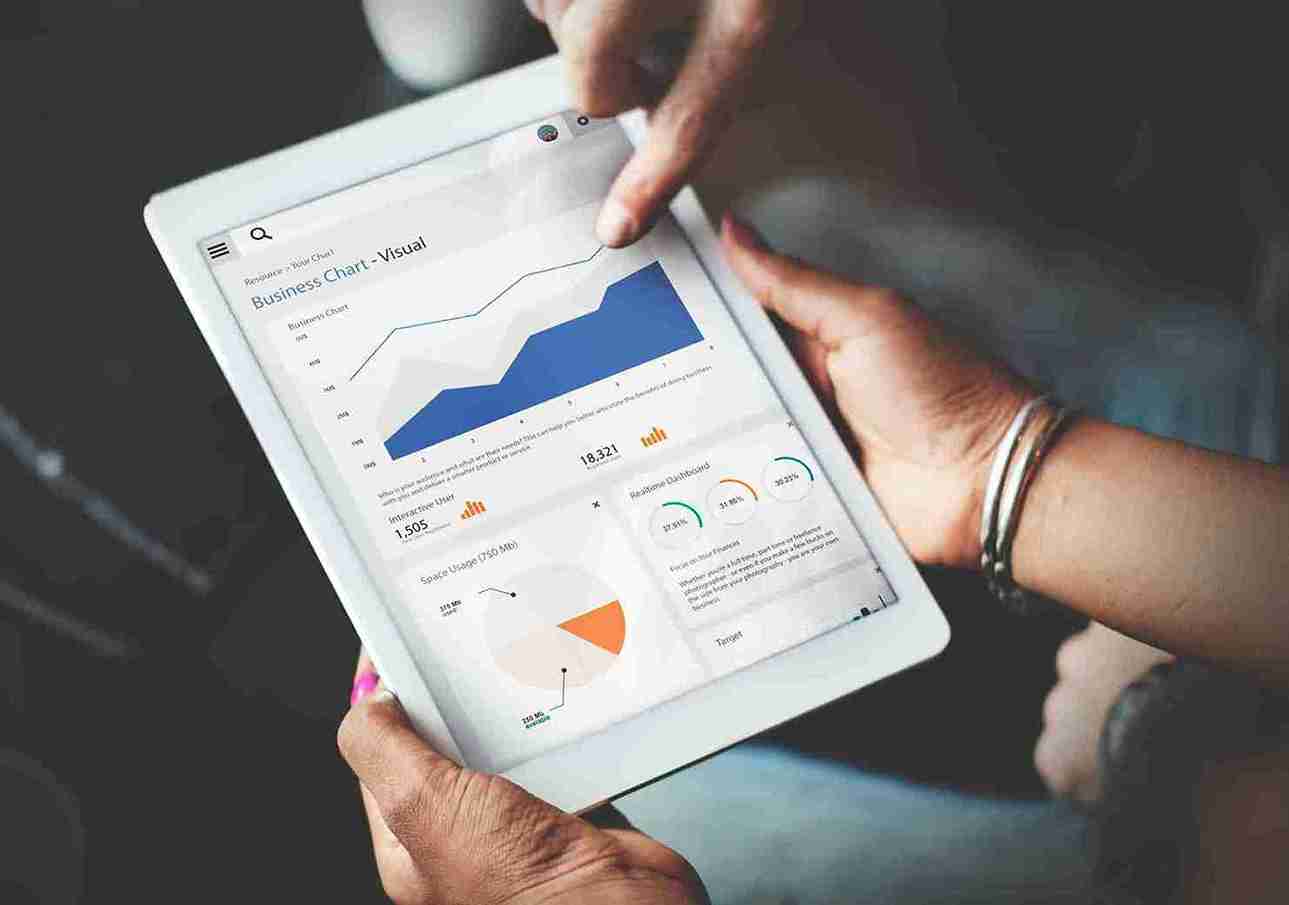
How do you set up Google Analytics? It is very important to know impressions and clicks into the website. Google Analytics assists with getting data-backed insights and improving marketing ROI. See how Google Analytics can help you understand user behavior, connect to other Google solutions, measure activity, etc..
How Do You Set Up Google Analytics
A web analytics service that collects, tracks, and reports data about website and app traffic and user behaviour. It helps businesses understand how users find and interact with their online properties by providing insights into metrics like visitor demographics, traffic sources, campaign performance, and conversion rates. This data can then be used to optimize digital strategies, improve user experience, and increase conversions.
Description
Google Analytics Settings for all Web, App, etc. platforms.
Google Analytics is a powerful web analytics platform that helps businesses understand how people find and interact with their website. As AI becomes more integrated into digital marketing and search, Google Analytics provides the data needed to make smarter, faster business decisions.
Benefits of Google Analytics
1. Understand Your Website Visitors
Google Analytics shows:
- Where visitors come from (search engines, social media, email, referrals, or direct traffic).
- Their geographic location.
- The devices and browsers they use.
- New vs. returning visitors.
This helps businesses better understand their audience.
2. Measure Marketing Performance
You can evaluate which marketing channels generate the best results, including:
- Organic search
- Paid advertising
- Social media
- Email campaigns
- Referral websites
This allows you to invest more in the channels that deliver the highest return.
3. Track Customer Behaviour
Google Analytics reveals how users interact with your website by showing:
- Most visited pages
- Time spent on pages
- Navigation paths
- Bounce rates
- Exit pages
These insights help identify what engages visitors and where improvements are needed.
4. Monitor Conversions
You can measure important business goals such as:
- Purchases
- Contact form submissions
- Phone call clicks
- Newsletter sign-ups
- Downloads
Tracking conversions helps determine which activities drive business results.
5. Improve User Experience
Analytics highlights usability issues, such as:
- Slow-loading pages
- High drop-off rates
- Underperforming content
- Mobile usability challenges
Addressing these issues can improve customer satisfaction and conversion rates.
6. Make Data-Driven Decisions
Instead of relying on assumptions, businesses can use real data to:
- Refine marketing strategies
- Improve website content
- Allocate budgets more effectively
- Set measurable business goals
The Impact of AI on Google Analytics
Artificial intelligence is making Google Analytics more insightful by helping businesses identify patterns, predict outcomes, and uncover opportunities more quickly.
1. Predictive Insights
AI can estimate:
- Which users are likely to make a purchase.
- Which customers may stop engaging.
- Which audiences are most valuable over time.
These predictions support more targeted marketing efforts.
2. Automated Insights
AI continuously monitors your data and can automatically highlight:
- Traffic spikes or drops.
- Changes in user behaviour.
- Emerging trends.
- Potential technical issues.
This reduces the need for manual analysis.
3. Smarter Audience Segmentation
AI groups users based on shared behaviours and characteristics, enabling businesses to:
- Personalize marketing campaigns.
- Deliver more relevant content.
- Improve customer engagement.
4. Better Marketing Attribution
AI helps determine how different marketing channels contribute to conversions, providing a clearer understanding of the customer journey.
5. Natural Language Reporting
Many analytics tools now allow users to ask questions in plain language, such as:
- “Which campaign generated the most leads last month?”
- “Why did website traffic decline this week?”
AI can interpret these questions and present relevant insights without requiring advanced technical skills.
6. Enhanced Forecasting
AI can forecast future trends, including:
- Expected website traffic.
- Seasonal demand.
- Sales opportunities.
- Marketing performance.
These forecasts help businesses plan resources and campaigns more effectively.
Best Practices in the AI Era
To get the most value from Google Analytics:
- Define clear business goals and conversion events.
- Monitor key performance indicators (KPIs) regularly.
- Integrate Analytics with advertising and marketing platforms for a more complete view of performance.
- Use AI-generated insights to identify trends, but validate them with business context before making decisions.
- Review reports frequently and adjust strategies based on customer behaviour.
Bottom Line
Google Analytics helps businesses understand how customers discover, navigate, and interact with their website. With AI-powered capabilities, it goes beyond reporting historical data by identifying trends, predicting future behaviour, and surfacing actionable insights. Organizations that combine accurate analytics with AI-driven analysis are better positioned to optimize marketing, improve customer experiences, and make informed decisions that support business growth.
FAQs
- Google Ads delivers short-term traffic and leads.
- SEO delivers long-term organic growth and online authority.